
SPECIAL EVENTS
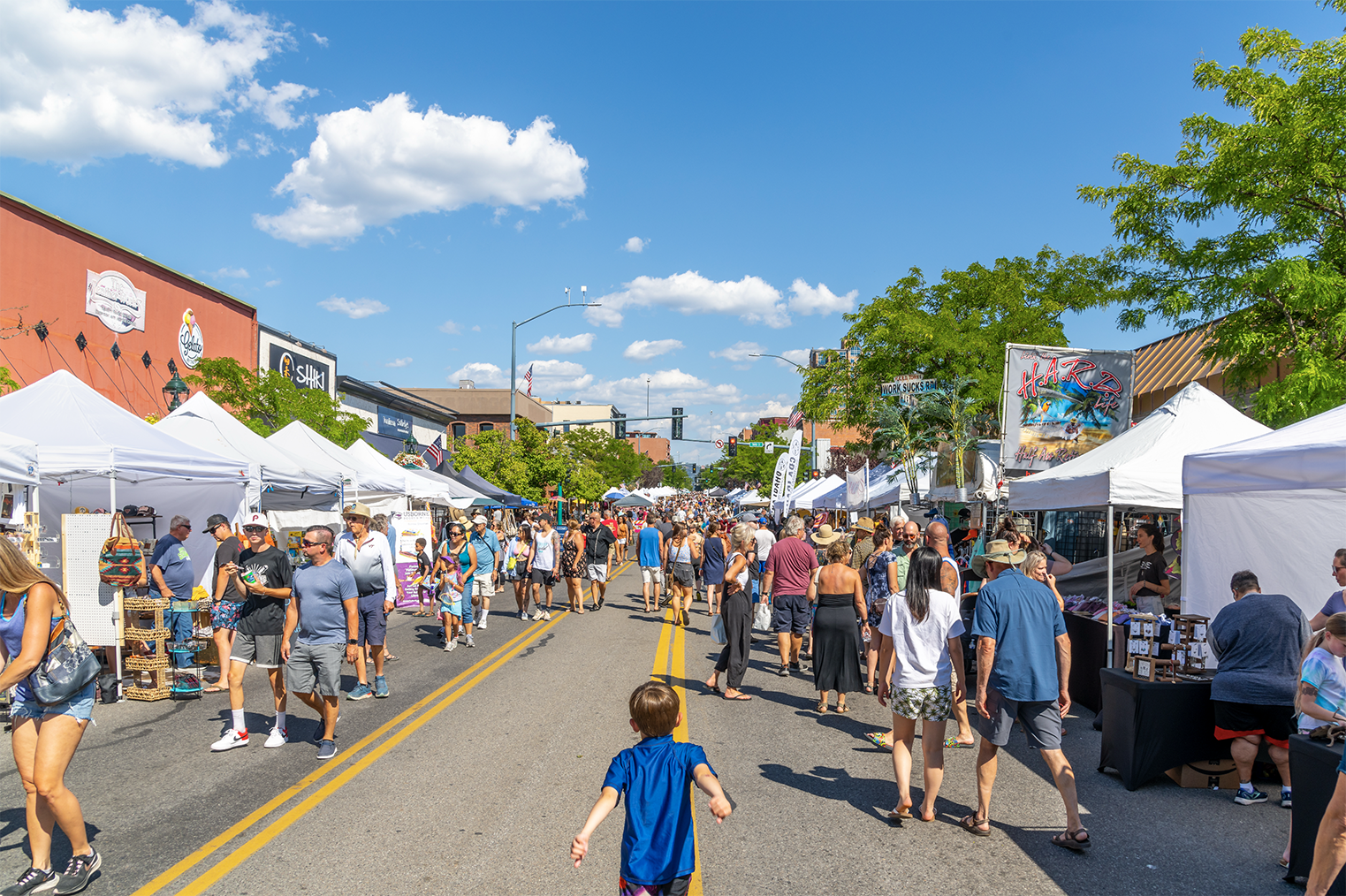
Special events can generate trash, food waste, sediment, wash water, and other materials that may enter nearby storm drains if not properly managed. Since storm drains flow untreated to local waterways, proper planning and on-site controls help event organizers comply with storm water requirements and protect our creeks.
Check with your local municipality to determine if a special event permit is required for your event.
HOW ARE THE STORM DRAIN AND SANITARY SEWER SYSTEMS DIFFERENT?
The storm drain system transports rainwater to local creeks, rivers, and the ocean. This system was created to prevent flooding within communities and homes.
All water and materials that enter the storm drain system are untreated.
The sanitary sewer is a plumbed system that transports used water from buildings to a wastewater collection and treatment facility, where the water and sewage is treated.
If you see an outdoor drain and are unsure of its use, assume it is a storm drain and do not discharge wash water to it.
Clean creeks are important. They provide vital fish habitat, recreation, and add to the beauty of our city.
Event Preparation
Locate all storm drain inlets and Low Impact Development features in and around the event area.
Have spill cleanup materials on site.
Storm drains may be required to be protected with an approved storm drain protection device throughout the event depending on weather and event activities.
Good Housekeeping
Have a trash management plan.
Trash cans with secure lids are required for event use.
Keep trash receptacles and dumpster lids closed.
Place trash and recycling receptacles around the site.
Inspect and empty regularly to prevent overflow.
Check and clean outside areas regularly.
Use dry cleanup methods (i.e. broom or vacuum). Avoid hosing down or pressure washing.
If power washing is necessary, refer to the “Power Washer Guidelines” document and/or your local municipality for requirements and regulatory compliance.
Portable Toilets
Place units away from storm drains, inlets, Low Impact Development features, waterways, and areas with high vehicle traffic.
Place a containment tray under each unit to collect rinse water.
Post signs with company contact information for reporting the need for cleaning or repair.
Food Preparation
Fats, oils, grease, or other liquids should never be dumped on the ground, pavement, dumpster, or storm drain.
Scrape excess grease into a container and dispose of it according to local regulations.
Put any wasted or burnt food residue into the garbage.
Avoid cleaning off grills on paved areas.
Post Event Clean Up
Sweep, collect, and dispose of litter and debris promptly after the event has ended and prior to the reopening of the street.
Ensure an appropriate number of staff are available to adequately complete cleanup.
Avoid street parking on street sweeping days.
Ensure any storm drain protection BMPs are removed after cleanup is complete.
Spill Prevention and Clean Up
Create a plan for addressing hazardous and non-hazardous spills. Make sure people on your site know how to respond.
Keep spill clean-up materials on-site (absorbents, rags, etc.).
Report Spills Immediately.